
Their London and their times - Looking for anchors during turbulent times
The Fens
They stop for him to gesture at nearly a full horizon’s worth of blank nothingness, acres of mud and a paucity of landmarks that seem to be the hallmark of the Fens. The only artifact that she can see, the only relief from the pain of human absence in this geometrically flat and empty landscape, is the church that they are walking towards. The early afternoon sky is vast, uniformly gray and profoundly uninterested in them.
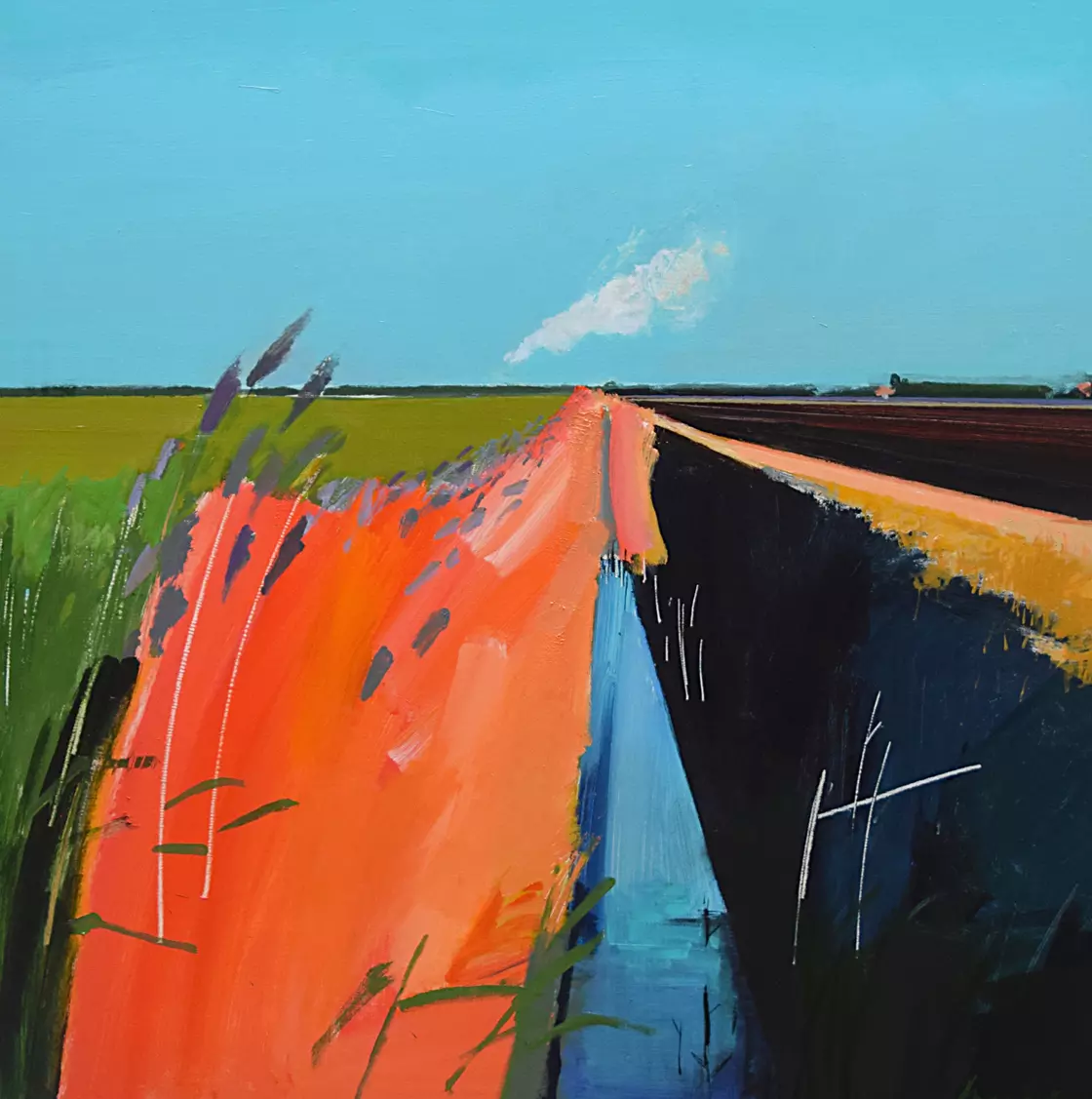
Looking back to Wissington
By kind permission of Fred Ingrams
https://www.fredingrams.com/
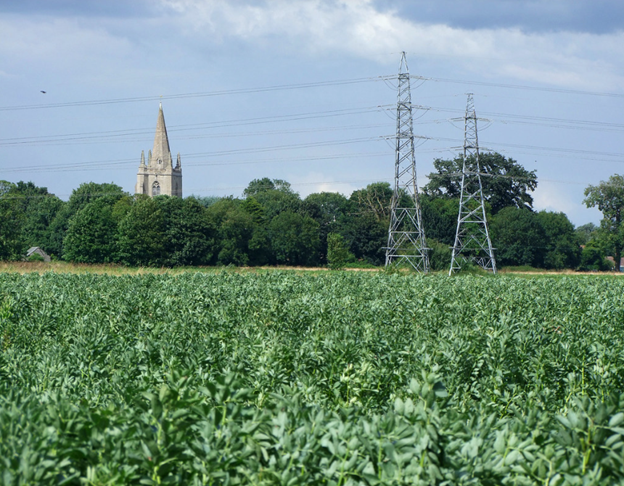
All Saints Church, Tilney
By kind permission of Simon Knott
“The Fens are against nature… The presence of water higher than land prompts a sensation that is akin to vertigo. The primary purpose of a canal so straight that it disappears over the distant horizon is of course to drain the thousands of acres south and east of the Wash, thousands of acres which are below sea level. The secondary, unintended, purpose is to frighten, to make hydrophobics of us all...”
Jonathan Meades, 2019
The Fens take their name from the Old English word fenn referring to wetlands in general. Before drainage, this area was a mix of coastal salt marshes, peat bogs, shallow inland lakes, and low hills standing above the flood level. They might be a strange, unsettling place to outsiders, but they have always teemed with riches in the eyes of the people who live here. The Romans dug canals to manage the water level in the Fens, and the Anglo-Saxons were next with a wave of engineering projects in the 10th Century.
To outsiders, the Fens were edgy places where monsters, cold and deadly, lurked beneath the treacherous surface. But the newly minted Christians of seventh-century England were not deterred by the threat of monsters. By settling in these liminal places, they felt they were making the same spiritual journey as the early monks who left the city for the Egyptian desert.
Fenland led the way in the use of a ‘new’ technology, the windmill. The use of windmills for grinding corn spread very rapidly from the last two or three decades of the twelfth century. By the sixteenth century the power of wind was put to further use in pumping water out of the fields into the rivers.