
Their London and their times
The culture and politics of the time
I do hope that our opposition to the Queen’s Silver Jubilee celebrations won’t be successful. We do need that sort of pomp to continue so that we can ridicule it.
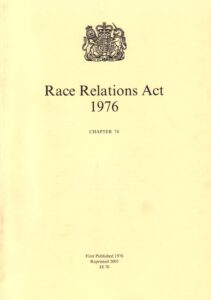
The 70s and 80s were a time of cultural turbulence in the UK. The look and feel of British cities changed dramatically as immigration from the Caribbean and South Asia increased. Assumptions about the traditional authority wielded by politicians, the monarchy, and the Church of England were unraveling.  The British diet was changing rapidly, driven by new culinary insights provided by the arrival of cheap international holiday travel and the attraction of convenient, processed food. Constraints on women’s roles were being challenged, supported by new legislation concerning equal pay and gender discrimination. A strengthened race relations act was passed, attempting to prohibit discrimination on grounds of race, color, nationality, or ethnic or national origins in employment, housing, education, and the provision of goods and services. There was much interest in new musical genres and punk had arrived.
The election of the Thatcher government in 1983 heralded a transition from post-war social collectivism to free-market individualism. This shift entailed widespread deindustrialization and mass unemployment and a full-on attack on the welfare state but Thatcher’s policies also triggered a creative rebellion in music, fashion, and media. The early part of the era was shaped by privatization, deregulation, the sale of council houses and the rapidly widening gaps between rich and poor and between the affluent south of England and the deindustrialized north. There was also significant grassroots activism, including campaigns against nuclear weapons (e.g., the Greenham Common Women's Peace Camp) and later responses to the emerging HIV/AIDS crisis.
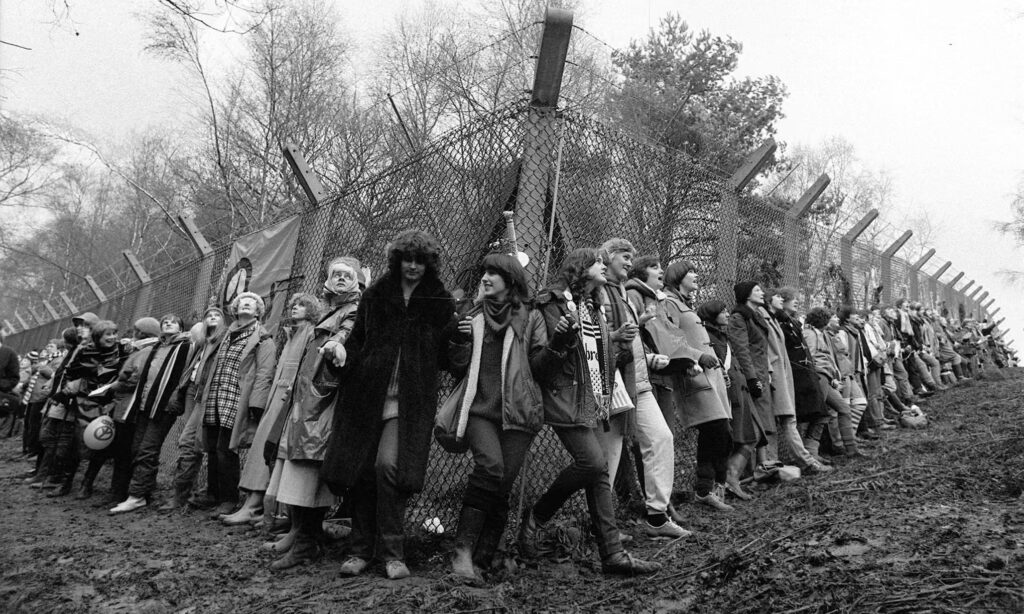
The Greenham Common Women's Peace Camp