Their London and their times - The culture and politics of the time
Attacks on the British welfare state
Bloody Thatcher could not be more wrong. It’s the nanny state that got them to wherever it is that they are. The nanny that made good choices, who paid for university, for every medical appointment, for Tom’s nursery class and his primary school, the nanny pays their social work salaries in fact.
The welfare state in the UK has a long history – and Thatcher’s 1970s and 80s attacks on welfare, tightening qualifications and restructuring benefits, were not the first time that right wing ideologues have become obsessed with reducing ‘welfare dependency’.
In the reign of Elizabeth I legislation was passed that made it unlawful for any parish to allow any subject of the Crown in England and Wales to die from hunger or other necessary social support. The Poor Law, as it was known, was reformed in 1834 into a widely–hated system which required claimants to move into highly stigmatized workhouses if they needed to claim relief. The reforms were intended to deter reliance on public support.
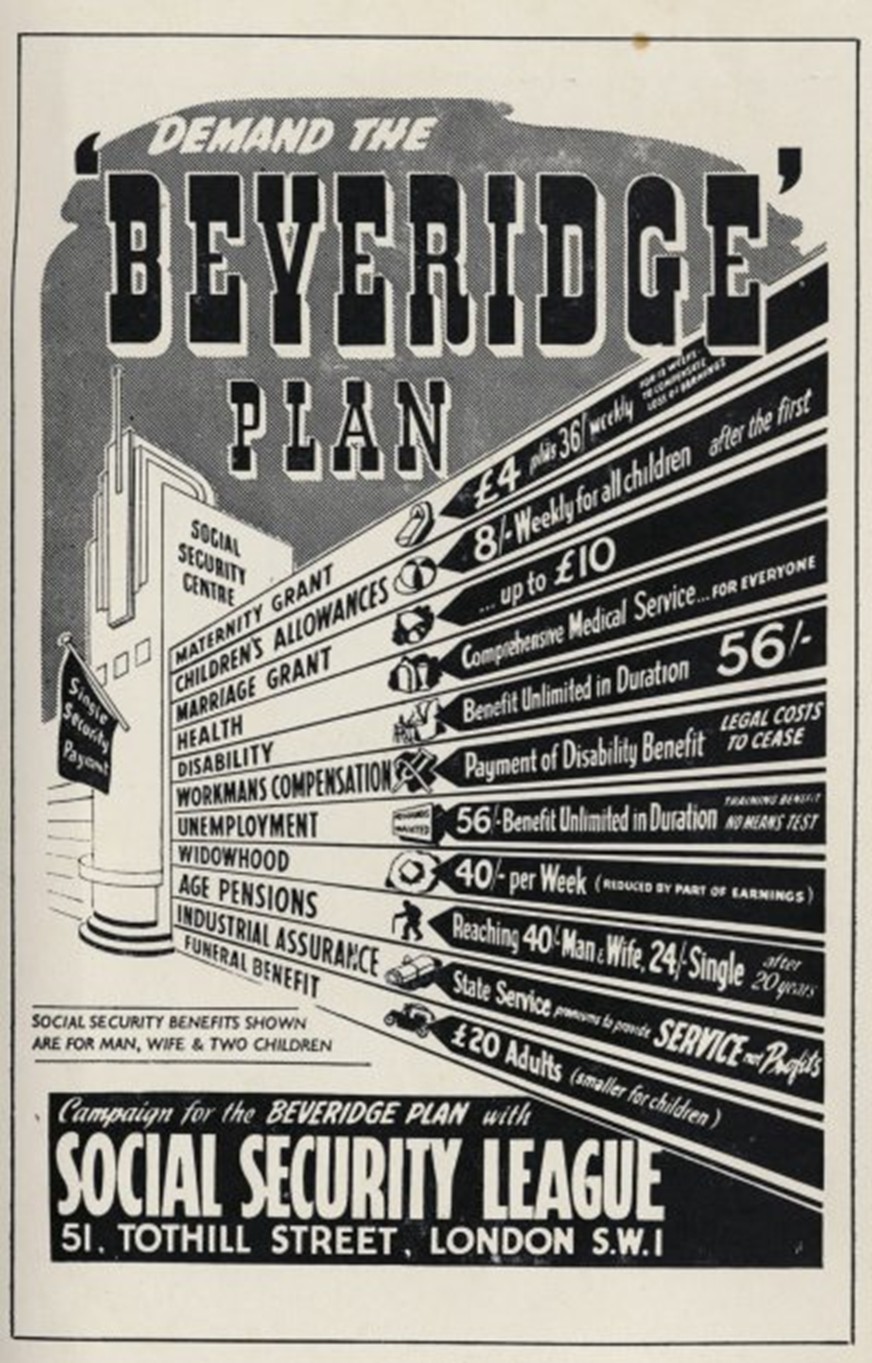
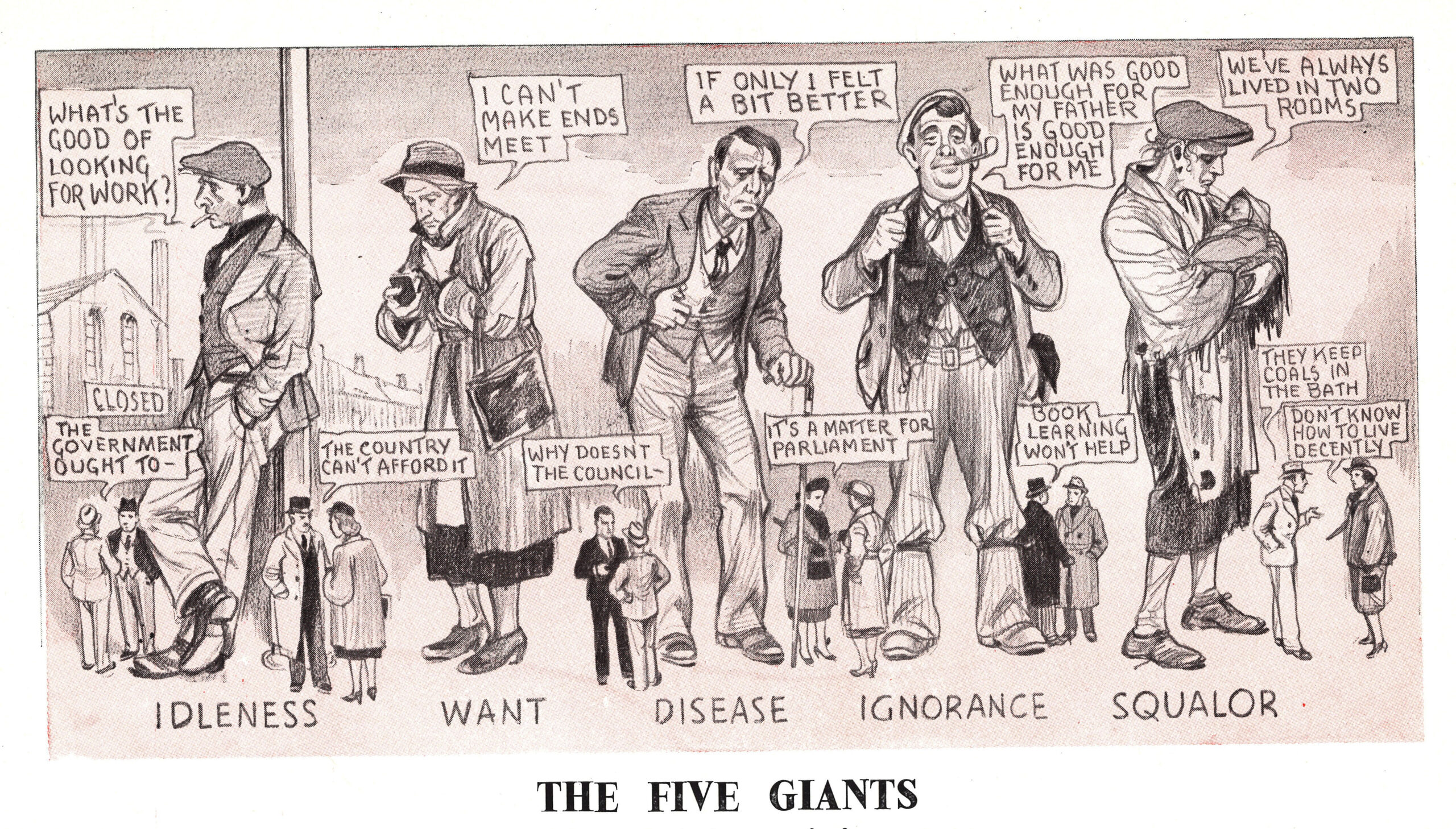
During the second world war, the coalition government wanted to sustain morale by creating a vision of a post-war society, a goal worth fighting for. The Beveridge Report wanted “an attack upon five giant evils: upon the physical Want… upon Disease which often causes that Want… upon Ignorance which no democracy can afford among its citizens, upon Squalor… and upon the Idleness which destroys wealth and corrupts men.” Support for the new welfare state spanned across the political spectrum. The post-war Labour government used the Beveridge Report to build a universal “cradle to grave” social security and healthcare network, with new systems of education, support for families and the unemployed and disabled, and, in 1946, established the National Health Service (NHS).
Thatcher shared the 19th century Poor Law reform belief that poverty was caused by personal not societal and economic failings and people must be incentivized to adopt a commitment to hard work and to look to their family for support – virtues which she believed had been destroyed by the welfare state. Her 1980s reforms enabled millions of council house tenants to purchase their homes and cut welfare benefits. They required the National Health Service and local authorities to contract out some services and encouraged workers to opt out of state pensions.