Their London and their times
Gays and sex in 70s and 80s London
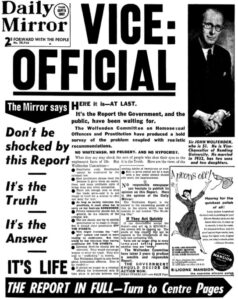
The 1970s saw a dramatic change in gay life, in the country in general but in London in particular. To be openly gay and, for some, to be open to casual sex, was possible for the first time. The changes were driven by the Sexual Offences Act 1967. It was the first gay law reform since 1533, when anal sex was made a crime during Henry VIII’s reign. The Act followed the ground-breaking report of the Wolfenden Committee formed in 1954 to review anti-gay laws. The Wolfenden Report published in 1957 stated that there “must remain a realm of private morality and immorality which is, in brief and crude terms, not the law's business”.
The 1967 legislation repealed penalties for gay sex but it left discrimination. The age of consent was set at 21 for sex between men, compared with 16 for sex between men and women; 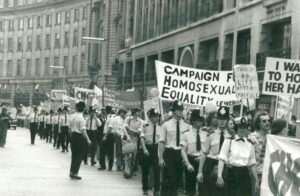 a decision that pandered to the homophobic notion that young men are seduced and corrupted by older men. Gay sex remained prosecutable unless it took place in strict privacy, which meant in a person’s own home, behind locked doors and windows, with the curtains drawn and with no other person present in any part of the house.
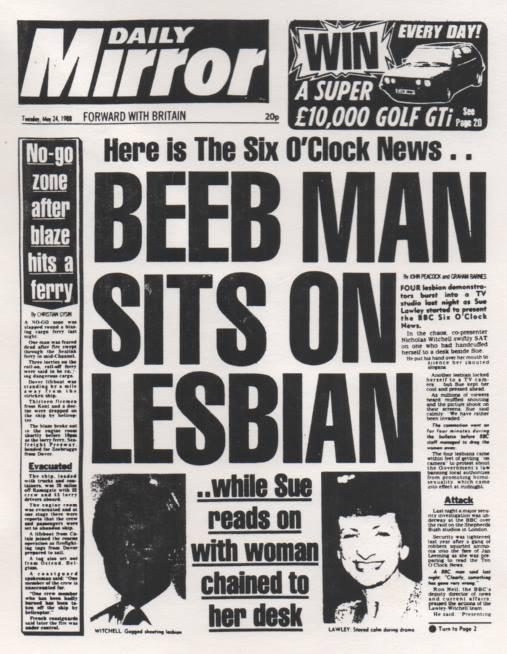
In the 1980s, Margaret Thatcher’s Conservative government launched a “family values” campaign whipping up homophobia, aided by the moral panic over HIV/AIDS. Section 28 of the Local Government Act came into force in 1988, prohibiting local authorities from “promoting homosexuality” as a “pretended family relationship”. It was only repealed in England and Wales in 2003. One famous protest involved women chaining themselves to a BBC newsreader’s desk during a live broadcast