Their London and their times - The culture and politics of the time
Food
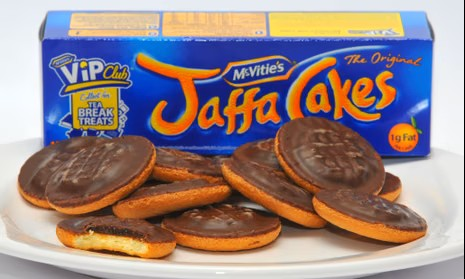
She brings out two packets of McVitie’s Jaffa Cakes from her bag – an oversweet memory of childhood for all the Brits.
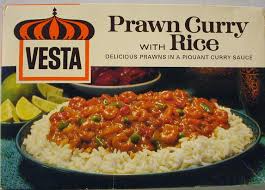
The ‘70s and ‘80s saw a dramatic change in British dietary habits as the country finally emerged from the limitations on food supply imposed by the Second World War. Wartime food rationing had only officially ended in the mid-1950s. An awareness of international cuisines and the increasing array of prepared foods offered consumers the opportunity of becoming more adventurous with less effort.
In 1970, the average Londoner ate a pound of red meat each week, compared to around half of that today. Supermarkets began their dominance of the food industry. The era marked the start of a reduction in the population’s intake of vegetables. The traditional meal of meat, potato and two veg was replaced by pasta and by quicker and easier alternatives heated in the microwave or boiled in the bag.
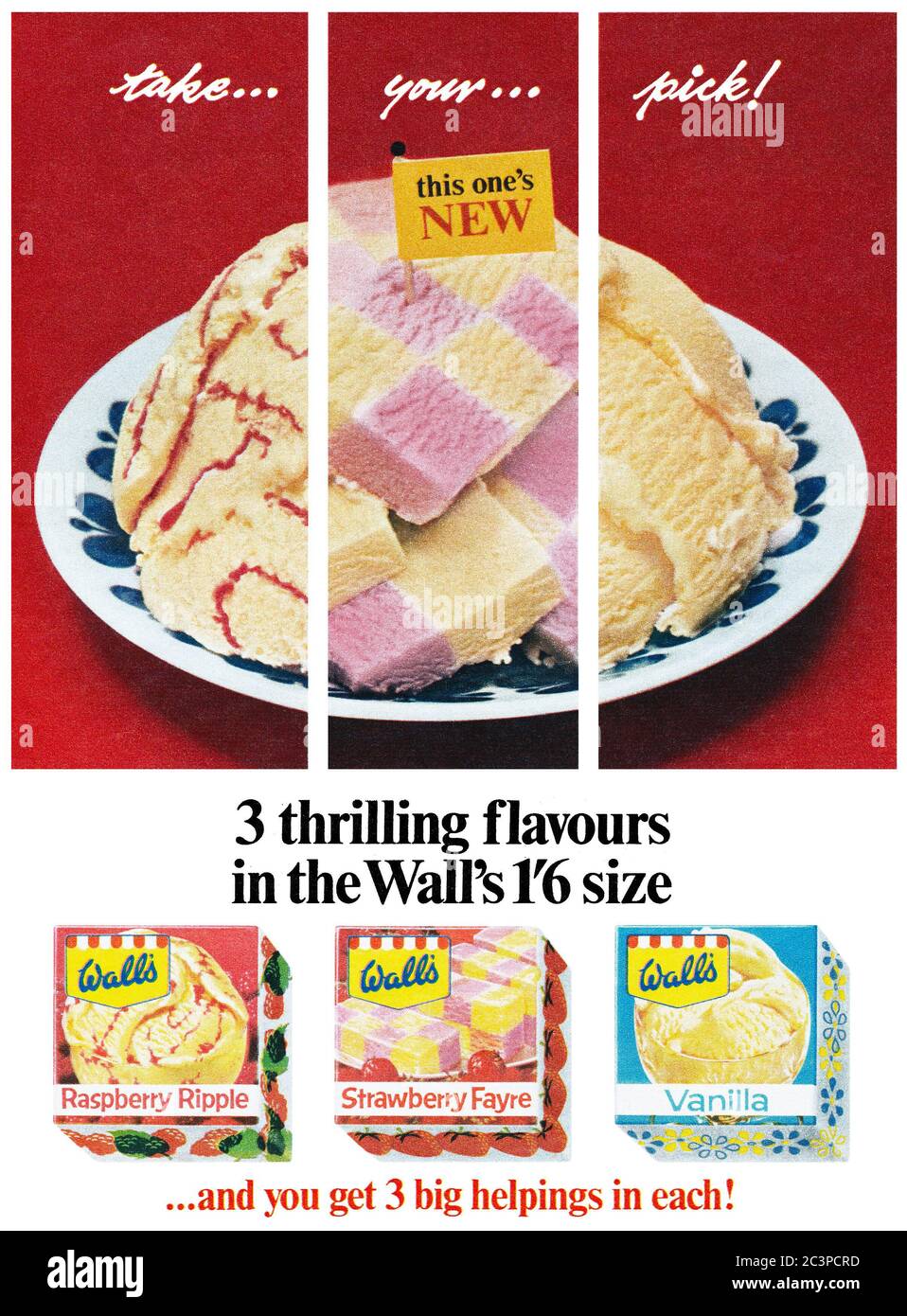
The emerging diet of the era was dominated by a few, massively marketed, highly processed foods. White sliced loaves became popular in their new plastic wrappers, and for frozen Birds Eye fish fingers, Bejam burgers and Wall’s Vienetta dominated many diets.
Jaffa Cakes were a small kind of sweet snack that are named after the Jaffa orange. They are made with orange-flavored jam, and chocolate. Even though they look like biscuits, a court ruled that they are cakes, saving the manufacturer significant taxes - biscuits are taxed because they are treated as a luxury.