
Their London and their times - Looking for anchors during turbulent times
Nostalgia for places and childhoods
Britain idealizes the countryside. Rural locations represent something unchanging about the national character – for good or for bad. For gays who migrated to London in the 1970s, looking back on their provincial origins might have been a wistful exercise, suggesting that they had had to give up rural charms and simpler communities in exchange for self-expression. The village church and rural houses have more charm than urban traffic and litter-strewn streets. But reflecting on their origins might also have felt triumphant, a reason to congratulate themselves for having escaped from the constraints of an unexciting environment, somewhere that just did not live up to the hype of the English countryside, or associated with family and community that were condemning rather than supporting.
The most prominent feature of 1950s British childhood mythology is the idea of unsupervised freedom. There is an enduring archetype of the children left to roam the streets or the fields with a packed jam sandwich and without any pressure to report on their location during the day. This unstructured play is idealized as the ultimate builder of character and resourcefulness.
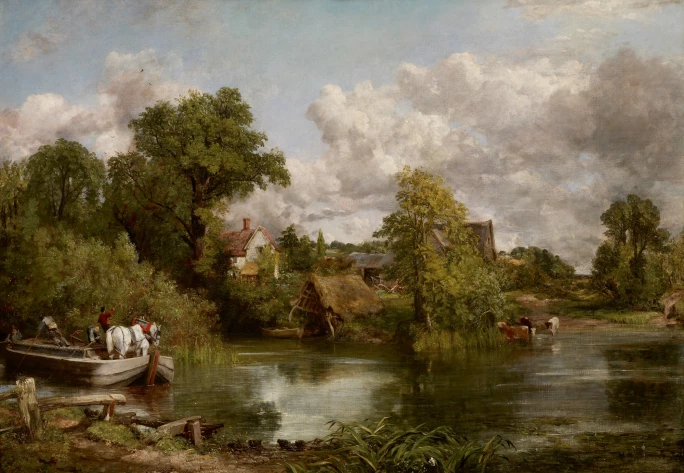
John Constable, The White Horse, 1819. The Frick Collection, New York
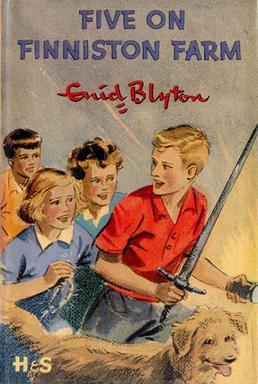
Enid Mary Blyton was an immensely popular children's writer, creating stories that resonated with the idea of unsupervised, free range English childhoods.