Their London and their times
Looking from 2026, the London of the 70s and 80s is a foreign country; it was a strange aberration of time and place where many reasons for anger at injustice and inequality sat alongside confidence that history was intrinsically progressive, that the remaining constraints on self-expression were going to loosen further. London was an expensive city but there were hidden pockets of affordability for those in the know. Left-leaning London was a target for Prime Minister Thatcher’s politics of vengeance but gay people from across the UK looked to the city as an example of where their new lives could take them. In that London, at that time, despair coexisted with anticipation – and it was those contradictions which gave a battered capital of an exhausted old country a sense of wonder, a sense that something new was taking shape.
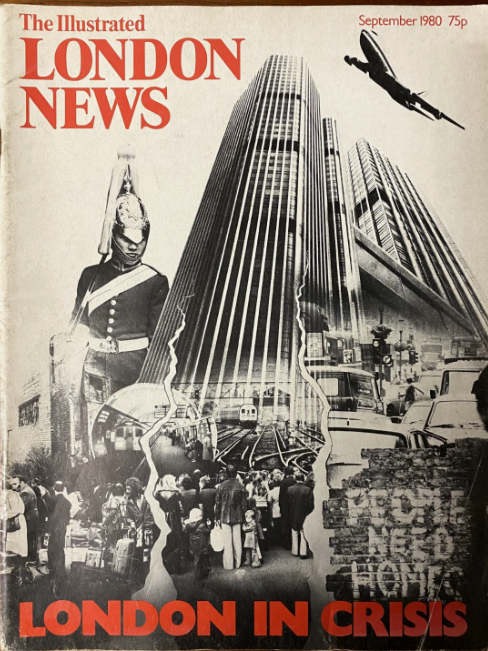
If London started to swing in the ‘60s, in the ‘70s it stumbled. The manufacturing industries that had employed hundreds of thousands were closing or moving out. The docks, which had been the lifeblood of East London for centuries, were dying. The collapse of the pound and a run to the IMF was an embarrassing follow-up for a city and a country that was still coming to terms with its demotion from imperial capital to northern outpost of Europe. Amid this economic chaos, punk exploded in the mid-70s, capturing the city’s and the generation’s frustration. Government recognized the significance of culture in national life – the Arts Council grew and the National Theater opened on the South Bank.
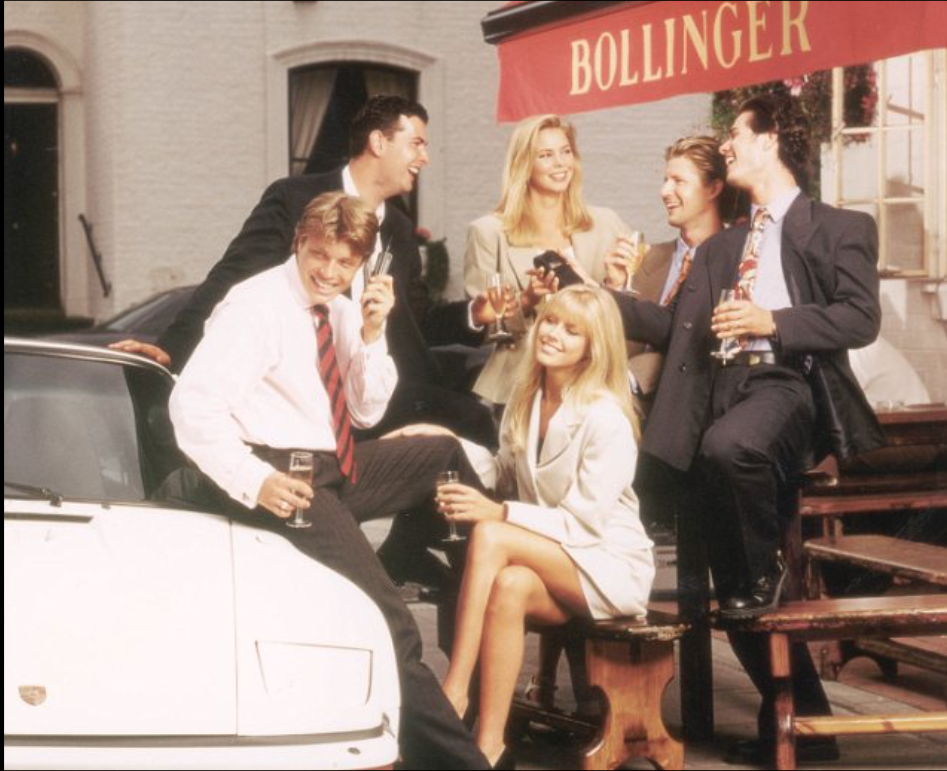
And then the ‘80s transformed London yet more. The Big Bang of 1986 deregulated financial services and turned the city of London into a global powerhouse overnight. The city went from bowler hats and gentleman's clubs to braces, mobile phones the size of bricks, and a culture of aggressive capitalism. Thatcher saw no limit to her reshaping of the country. London’s governing body was abolished by her radical government because it got under her sensitive skin and council (public) housing was sold off, which was great for those who could afford it but shrinking the social housing stock for everyone else. Property values began their inexorable rise.
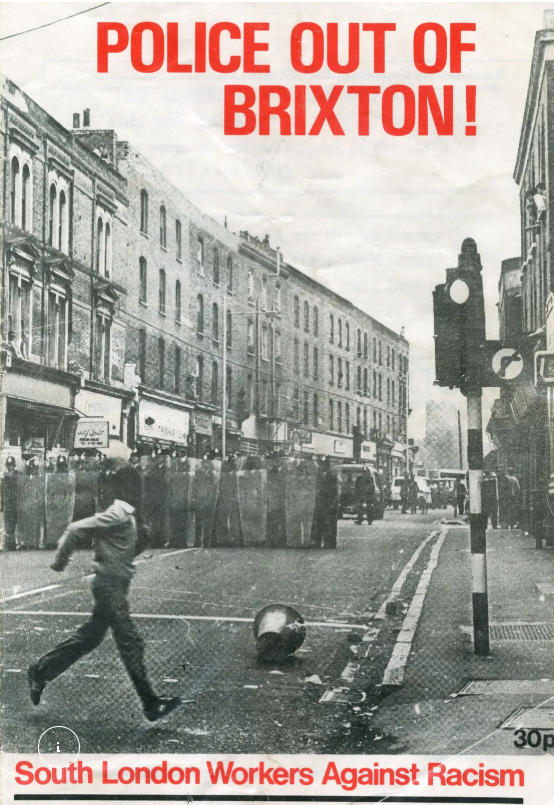
The riots of 1981 and 1985 showed how divided the city had become. Brixton erupted in 1981 after years of tension between police and black communities. These were explosions of rage at unemployment, discrimination, and heavy-handed policing. But the UK miners’ strike of 1984–1985, triggered deliberately by the Thatcher government, showed how two unlikely forces could combine creatively. Lesbian and gay support groups in London and nationally raised money for mining communities and, in turn, miners’ groups began to support gay pride events throughout the UK, including leading London's Lesbian and Gay Pride parade in 1985. At that year’s Labour Party conference, the party committed to the support of LGBT rights, due to support from the National Union of Mineworkers. The miners’ groups were also among the most outspoken allies of the LGBT community in the 1988 campaign against Section 28.
By the end of the ‘80s London was thriving culturally and the city had money again, even if it wasn't evenly distributed.